
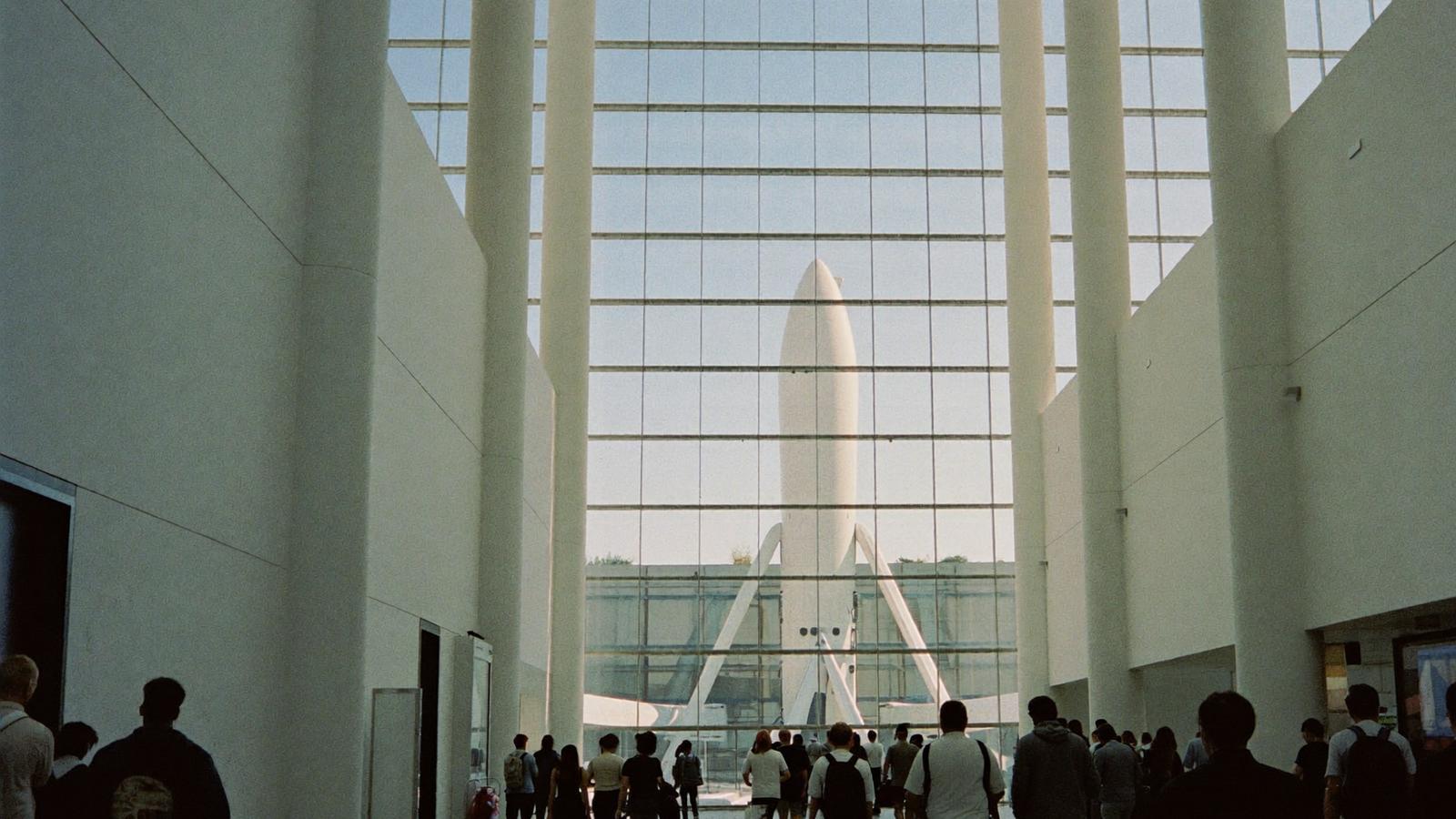
The spaceport network
The department plans, licenses and maintains the spaceport network that keeps people and freight moving between the Commonwealth's inhabited systems. From orbital interchanges above the Core Systems to small surface strips on the frontier, every facility is built to a common safety and accessibility standard so that a traveller or a shipment can move through any spaceport in the network with confidence.
Spaceports fall into three classes, set out in the Spaceport Infrastructure Standards. Orbital hubs handle the highest volume of scheduled passenger and freight traffic and sit at the centre of the hyperlane network. Surface terminals serve individual colonies and connect to orbital hubs by shuttle. Regional strips are smaller, often unstaffed facilities that give remote settlements a link to the wider network.
| Class | Typical role | Number in service |
|---|---|---|
| Orbital hub | High-volume interchange serving multiple systems | 14 |
| Surface terminal | Scheduled passenger and freight service for one colony | 86 |
| Regional strip | Small, often unstaffed link for remote settlements | 211 |
Growing the network
The network is expanding to keep pace with growth on the frontier. The Future Spaceports Initiative is currently funding new surface terminals and orbital hub upgrades across the Inner Colonies and Outer Rim; see the programs page for details on how a colony authority or transport operator can apply.
Have your say on the spaceport standards
Draft updates to the Spaceport Infrastructure Standards are open for comment until 31 October 2127. Make a submission →
Related
Hyperlane corridors
Protected freight and passenger routes linking the inhabited systems.
Freight networks
Inter-system supply chains keeping colonies stocked and supplied.
Contact the infrastructure team
+61 (0)2 6100 0000